

Christmas Eve is creeping closer, the choir still doesn't have matching robes, and someone just said, “Can you find church choir robes near me by Sunday?” That's the moment directors get pulled into the wrong decision, they chase the nearest storefront instead of the lowest-risk solution. If you're trying to outfit ten singers, a youth group, or a mixed adult ensemble, proximity is only useful when the store can solve your sizing, timing, and replacement problems.
Rethinking the Local Search for Choir Apparel
The first instinct is always the same. You search church choir robes near me, call the closest religious supply shop, and hope they have enough stock to save the service. In practice, that quick fix often turns into a long afternoon of compromises, and the “local” choice turns out to be the most expensive one once you count remake requests, volunteer coordination, and missed rehearsal time.
What nearby actually solves
A nearby store can help if you need to touch fabric, compare colors under real light, or carry home a small order the same day. It's also useful when you're replacing one missing robe and already know the exact cut and size. But that convenience disappears fast when you're dressing a full ensemble with different body types and age groups.
Practical rule: if the store can't match your choir's measurements, timeline, and replacement needs, it isn't really local support, it's just a shorter drive.
The historical irony is that church robe styles have never been static, they've evolved for centuries from ceremonial Greek dress, medieval clerical vesture, and later standardized church attire, with roots often traced back more than 2,400 years in one widely cited account (choralnet.org). That matters because today's buying decision shouldn't be sentimental. It should be operational.
If you want a cleaner way to think about the search, use it as a filter for service, not geography. A retailer that can answer sizing questions quickly, ship reliably, and support bulk orders will usually beat the shop down the road that has one rack of generic garments. For a deeper look at how people frame that search, use this practical clergy apparel store near me guide as a benchmark for what “near” should mean in real life.
Mastering Ensemble Measurements and Inclusive Sizing
Measure the body you actually have
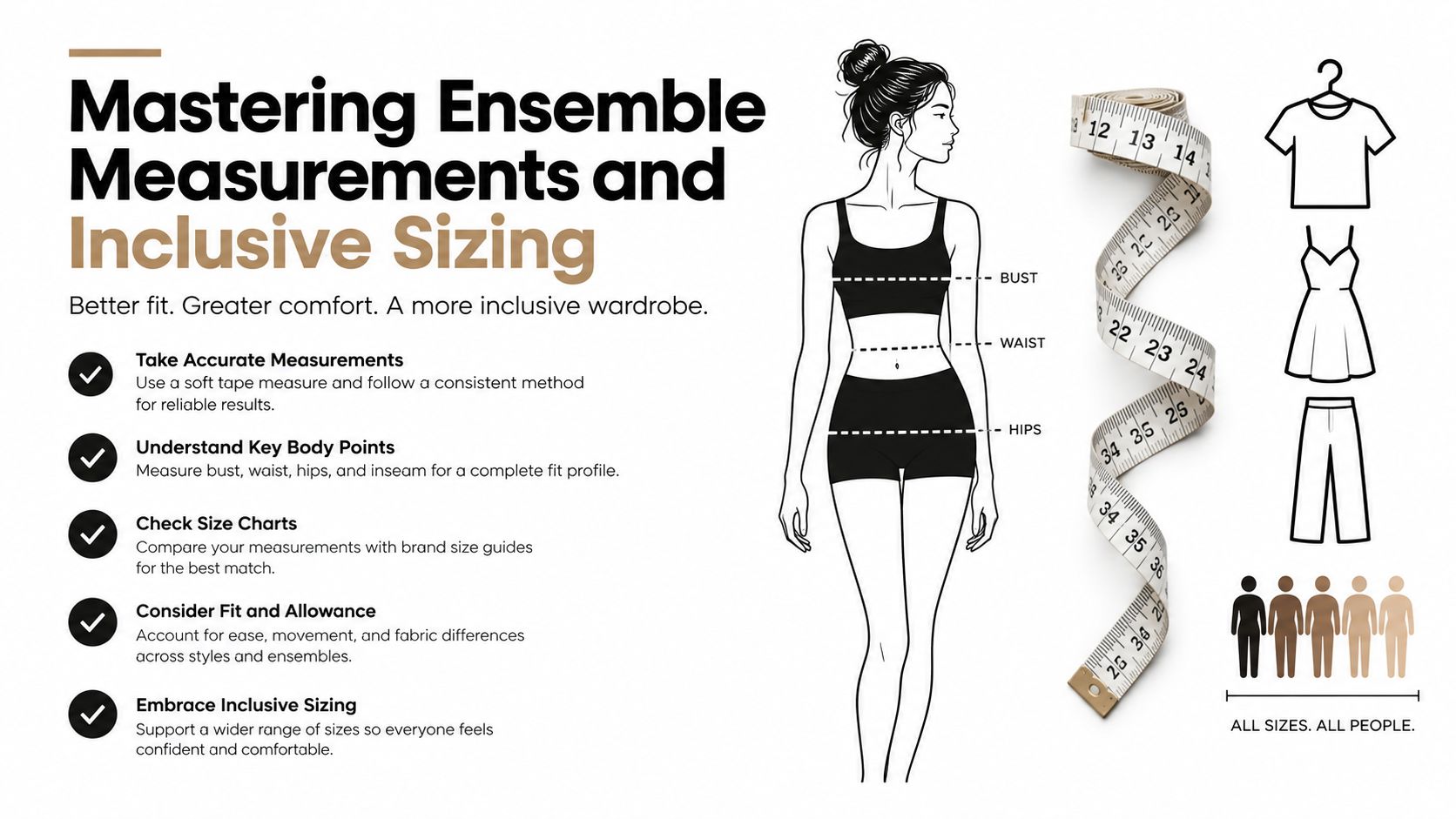
Street sizes are a trap. They're inconsistent, they vary by brand, and they get worse when people wear dress clothes under a robe. Start with height in shoes, then measure chest circumference at the fullest part so the garment doesn't gap or pull (choirbuy.com). That one habit prevents most of the ugly fit failures directors end up fixing at the last minute.
Use fresh measurements for every singer, even if you think you already know their size. The safest workflow is a short measurement session with a tape measure, a roster sheet, and one person assigned to record every number. If you're ordering for children, allow room for growth and seasonal layers, because a robe that fits in September can feel tight by Christmas.
For a choir with mixed ages and body types, inclusive sizing isn't a courtesy, it's basic logistics. Published robe charts already show systems that run from smaller sizes into larger fits, and some listings extend to 5XL or larger in product grids (religioussupply.com). That's the kind of range you need when the ensemble isn't built like a single uniform mannequin.
Don't buy the same cut for everyone and hope the hemline works out. A robe that's too long becomes a tripping hazard, and one that's too narrow limits movement when singers breathe, kneel, or reach for music.
Use a written sizing checklist
A director who wants fewer remakes should collect the same fields every time.
- Height with shoes on: This sets the finished length correctly and avoids dragging hems.
- Chest at the fullest point: This prevents gaping across the front and shoulder pull.
- Usual performance layer: This helps you account for shirts, collars, and seasonal clothing.
- Special fit notes: Mark youth growth room, plus-size needs, or a late replacement order.
- Color and closure confirmation: Check this before anything goes into production.
If you're used to more formal fit workflows, the logic is the same as choosing a gown for a special event. A resource like the guide to perfect fit wedding dresses makes the same point in another setting, body measurements beat assumptions every time. For sizing charts and color references, keep this size and color charts guide handy before you send a bulk order.
Selecting Fabrics and Styles for Modern Worship

Traditional robes still matter, but they aren't always the smartest choice
Classic choir robes still account for a large share of purchases. Analysts at marketintelo.com reported that traditional choir robes held the largest product share at 42.3%, while North America represented 38.5% of revenue in that report. That tells you churches still want familiar, standardized attire. It does not mean every choir should default to the heaviest or most ornate robe on the list.
Choose fabrics that work under sanctuary lights and in real service conditions. Matte finishes, lighter fabric weights, moisture-wicking materials, simplified embroidery, and lower-maintenance construction all make sense for choirs that sing long services or travel regularly (apparel.alibaba.com). A robe should look dignified and stay comfortable, not trap heat by the second anthem.
Match the garment to the ministry
Use the garment type as a tool, not a tradition badge. A church choir that sings every Sunday usually needs durable, colorfast robes that keep their shape and resist wrinkles. A concert choir or youth ensemble often does better in lighter pieces that pack easily and photograph well.
Good fit beats decoration: if a garment is hard to move in, hard to clean, or hard to reorder, it works against the ministry.
Modular uniforms still have a place. Cassocks, surplices, cottas, and stoles make sense when your liturgical tradition calls for them or when you need flexible combinations across seasons. For groups that need reusable, understated pieces, a supplier guide such as this religious fabric by the yard resource helps you compare fabric options before you commit to one style. For a separate example of how suppliers present finish, fabric, and layout choices, see Custom printed clothing UK.
Comparing Local Pickup with Specialized Online Fulfillment
Local pickup gives speed, specialized fulfillment gives control
A church needs robes fast when a guest choir arrives, a size is missing, or a replacement is needed before Sunday. Local pickup can solve that problem only if the right robe is in stock. More often, a nearby shop gives you limited sizes, a thin color range, and little help once the rack runs out.
Specialized online fulfillment usually does a better job of serving the whole order. You get a wider size run, clearer ordering support, and a cleaner path to bulk purchases. For a choir director, that matters more than a short drive.
The real cost is turnaround risk
The issue is not distance. It is the cost of a wrong fit, a partial shipment, or a delayed restock.
If you need extra robes days before Christmas, a local store with three mismatched sizes and no plus-size coverage creates a problem you do not have time to fix. A dedicated online supplier with ship-fast options, a larger inventory pool, and support staff is built for that kind of pressure. It gives you a better shot at getting everyone clothed correctly on the first pass.
Specialized retailers also cut down on repeat mistakes. Better fit guidance, easier reordering, and replacement-friendly policies reduce the chance that your second order is really a correction order. That is where local buying often looks cheap at first and turns expensive later.
The broader market supports that shift. One industry estimate values the choir robe market at about $0.4 billion in 2025 (marketintelo.com). Churches, schools, and community choirs keep buying because robes wear out, teams grow, and ministries need dependable replenishment.
Judge suppliers by how quickly they get you a correct order, not just how quickly they answer the phone. If a retailer can handle robes, stoles, cassocks, surplices, or cottas in one coordinated shipment, it saves time, reduces sizing errors, and keeps your choir ready for service.
Requesting Samples and Finalizing the Bulk Order
Before you spend church funds on a full shipment, validate the order like it matters. Because it does. Sample garments and swatches let you check color under sanctuary lighting, feel the fabric weight, and confirm whether closures, trim, and drape match what the choir needs.
Order a product sample before you commit church funds to a full shipment. That small step helps you catch color shifts, stiff fabric, and awkward drape before a hundred people see the mistake on Sunday.
A structured sample-first process is the safest move for larger ensembles. Industry guidance for choir uniforms recommends collecting standardized measurements in both inches and centimeters, then verifying color, fabric, closure style, and accessories before release (academicapparel.com). That discipline fits church buying too, especially when one robe order has to work for ten different singers at once.
Turnaround risk is the cost that matters
Local pickup only helps if the right sizes are already on hand. If your supplier cannot cover youth sizes, plus-size needs, or replacement pieces quickly, the cheap option turns into a scramble.
Treat the order like a performance plan, not a shopping cart. Confirm the roster, match each measurement to the right size, and flag the singers who need adjusted lengths or fuller cuts. Then ask the supplier to review the chart before production, because a human check catches the errors that spreadsheets miss.
For large orders, the supplier should make reordering simple. That matters when a robe is lost, a new member joins, or a replacement is needed right before a service. If you want a clean model for that kind of procurement workflow, the Procright sourcing decision template is a solid framework to borrow from.
Packaging matters too. The final shipment should be grouped so volunteers can sort sizes fast, not dig through mixed bags on rehearsal night. If the vendor cannot do that, the savings disappear in avoidable confusion.
Your Procurement Checklist for a Polished Choir
A polished choir order starts with fresh measurements, not old assumptions. If you have not measured every singer in performance shoes, you do not have an order plan yet. That one step prevents most hem problems, chest gaps, and return headaches.
Use this as your final pass before you buy:
- Confirm each singer's height and chest: Don't rely on street sizes or memory.
- Check inclusive sizing ranges: Make sure youth, plus-size, and replacement needs are covered.
- Choose the right fabric weight: Favor low-maintenance, matte, and performance-friendly materials for weekly worship.
- Compare fulfillment speed: Local pickup only matters if the right sizes are in stock.
- Ask about samples and swatches: Verify color and drape before the bulk order ships.
- Plan the reordering path: Keep the size chart, color code, and order details where you can find them fast.
That checklist is the difference between a smooth first Sunday in the new robes and a last-minute scramble in the vestry. A church that buys well once saves itself from repeat problems all season.
If you want to move fast without gambling on fit, materials, or delivery timing, ChoirBuy is built for choir apparel orders that need structure and speed. Visit ChoirBuy to review robe options, size charts, and bulk ordering tools before your next service deadline.